Religion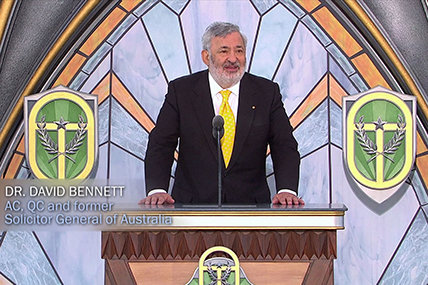
Scientology is a truly unique contemporary religion—the only major religion to emerge in the twentieth century. Scientology is fully developed, by definition of religion, in its theology, religious practice and organization. The breadth and scope of the religion include more than eleven thousand Churches of Scientology, missions and related organizations in countries all over the world.
Millions of Scientologists around the world sincerely believe in the religious tenets and practices of Scientology. For every one of these individuals, Scientology is their religion and fulfills their deepest spiritual needs.
This is the most important test of any true religion of the world—indeed, it is the test used by the United States Supreme Court and high courts in many other countries.
Nevertheless, if an individual relies on secondary sources, then courts, scholars and governmental agencies around the world have repeatedly determined that Scientology is bona fide in all respects. This website provides an overview of these international recognitions and expertises. As Scientology addresses the spirit and the relationship of humanity to the universe and the Supreme Being, it can be nothing other than a religion in the fullest sense of the word.
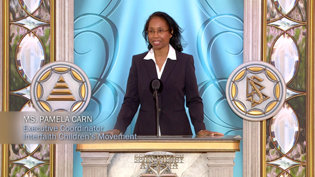
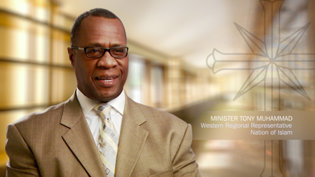
Find out moreVIDEOS Religious Scholars, Government Representatives and Dignitaries on the Church of Scientology, its Religious Purpose and its Social Betterment Activities
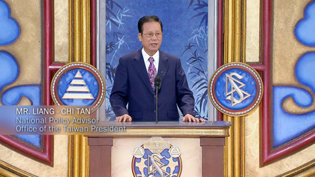
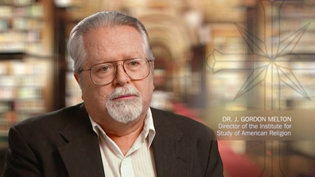
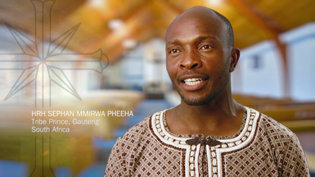
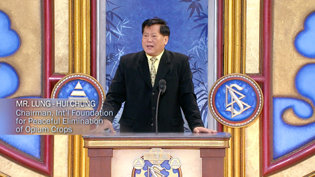
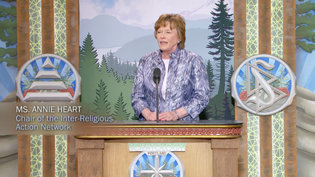
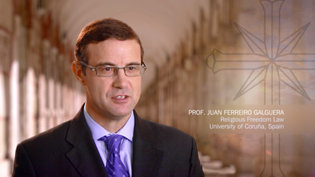
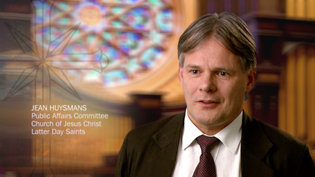


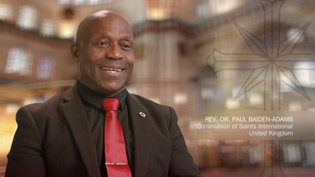
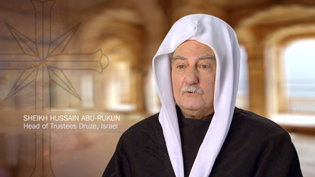
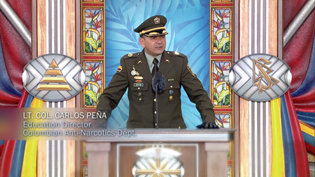
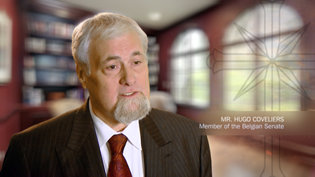
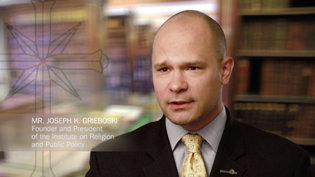
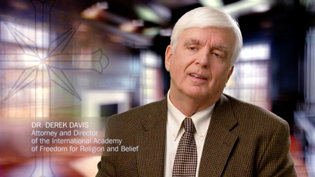
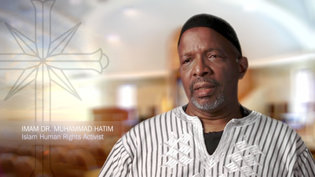
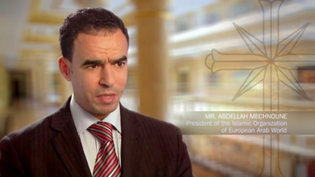
From its beginnings the Church of Scientology has recognized that freedom of religion is a fundamental human right. In a world where conflicts are often traceable to intolerance of others’ religious beliefs and practices, the Church has, for more than fifty years, made the preservation of religious liberty an overriding concern.
A vital component to preserving this fundamental human right is an understanding of the right to freedom of religion or belief and its meaning under universal human rights principles and international human rights law.
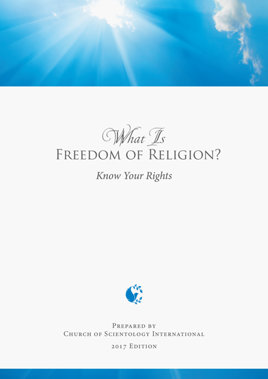
In this regard, a new Church of Scientology booklet, What is Freedom of Religion?, is designed to inform the public regarding the detailed and complex nature of the right to freedom of religion for believers and religious organizations of every faith.
Religious Recognitions

Scientology is accepted as a religion throughout the world and its religious bona fides have been unequivocally recognized. See key international religious recognitions of the Church of Scientology.
See the International RecognitionsReligious Expertises

The world’s foremost experts in the fields of comparative religion, history of religion, religious studies and sociology agree that Scientology is a world religion.
See All StudiesBackground & Beliefs

Scientology follows a long tradition of religious practice. Its roots lie in the deepest beliefs and aspirations of all great religions, thus encompassing a religious heritage as old and varied as Man himself.
Learn More
Scientology, Social Science and the Definition of Religion
by James A. Beckford, Professor of Sociology, University of Warwick, England

Social Change and New Religious Movements
by Bryan R. Wilson,
Emeritus Fellow in Sociology, Oxford University

The Church of Scientology
by Juha Pentikäinen, Marja Pentikäinen, University of Helsinki, Finland

The Relationship Between Scientology and Other Religions
by Fumio Sawada, Eighth holder of the secrets of Yu-itsu Shinto, the oldest religion in Japan; President, Ahlul-Bait Center

The Religious Nature of Scientology
by Geoffrey Parrinder, Methodist minister, Professor, Comparative Study of Religions, University of London

Religious Philosophy, Religion and Church
by G.C. Oosthuizen, Professor of Science of Religion, University of Durban-Westville, Natal, South Africa

Scientology a New Religion
by M. Darrol Bryant, Department of Religious Studies, Renison College, University of Waterloo, Ontario, Canada

Apostates and New Religious Movements
by Bryan R. Wilson,
Emeritus Fellow in Sociology, Oxford University

Scientology: An Analysis and Comparison of its Religious Systems and Doctrines
by Bryan R. Wilson,
Emeritus Fellow in Sociology, Oxford University

The Reliability of Apostate Testimony About New Religious Movements
by Lonnie D. Kliever Ph.D., Professor of Religious Studies

The Sea Organization and its Role Within the Church of Scientology
by Frank K. Flinn Ph.D. Adjunct Professor in Religious Studies

Brief Analyses of the Religious Nature of Scientology
by J. Gordon Melton, Baylor University, Samuel Hill, Gary Bouma, Irving Hexham

Congregational Services of the Church of Scientology
by Bryan R. Wilson,
Emeritus Fellow in Sociology, Oxford University

Is Scientology A Religion?
by Alan W. Black, Associate Professor of Sociology, University of New England, Armidale, New South Wales, Australia

Is Scientology a Religion?
by Dean M. Kelley, National Council of Churches

Religious Toleration & Religious Diversity
by Bryan R. Wilson,
Emeritus Fellow in Sociology, Oxford University

Scientology A Religion In South Africa
by David Chidester, Professor of Comparative Religion, University of Cape Town, South Africa

Scientology: A True Religion
by Urbano Alonso Galan, Professor of Philosophy and Theology, Gregorian University of Rome

Scientology: A Way of Spiritual Self-Identification
by Michael Sivertsev, Moscow Academy of Sciences

Scientology: A Worshipping Community
by Lonnie D. Kliever, Southern Methodist University, Dallas, Texas

Scientology and Contemporary Definitions of Religion in the Social Sciences
by Alejandro Frigerio, Professor of Sociology, Catholic University of Argentina, Buenos Aires

Scientology and Islam an Analogous Study
by Fumio Sawada, Eighth holder of the secrets of Yu-itsu Shinto, the oldest religion in Japan; President, Ahlul-Bait Center

Scientology and Religion
by Christiaan Vonck, Rector, Faculty for Comparative Study of Religion, Antwerp, Belgium

Scientology: A Comparison with Religions of the East and West
by Per-Arne Berglie, Professor of History of Religion, University of Stockholm

Scientology Its Cosmology, Anthropology, System of Ethics and Methodologies
by Régis Dericquebourg, Professor of Sociology of Religion, University of Lille III, France

Scientology – Its Historical-Morphological Frame
by Dario Sabbatucci, Professor of History of Religions, University of Rome

Scientology: Its True Nature
by Harri Heino, Professor of Theology, University of Tampere, Finland

Scientology: The Marks of Religion
by Frank K. Flinn, Adjunct Professor of Religious Studies Washington University


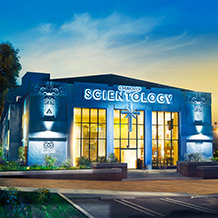
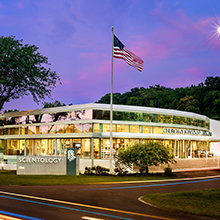
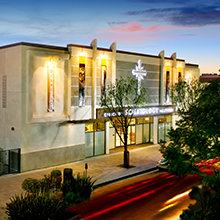
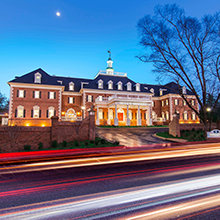
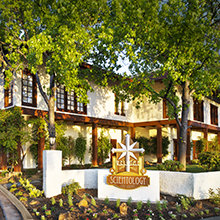
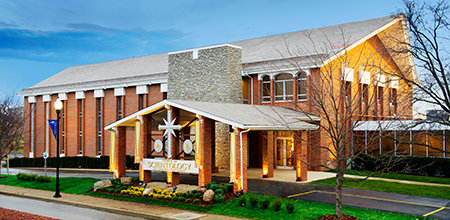
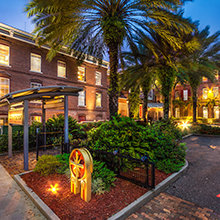
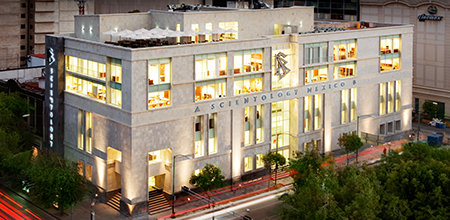
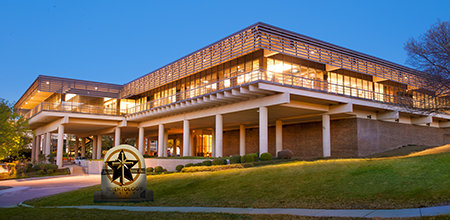
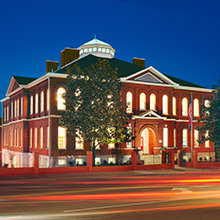
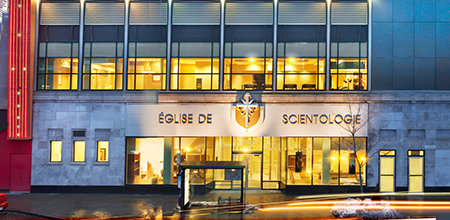
At the forefront of the greatest era of expansion in Scientology history stand new Churches of Scientology opening in major cities and cultural centers world over.